In today’s world, our homes are more than just places to live. They are environments that significantly influence our overall health and well-being. As public health discussions evolve, understanding how our home environment impacts family health has become increasingly important. This article offers practical guidance to help create a nurturing and health-promoting atmosphere in your home.
Mindful Food Choices
Nutrition plays a critical role in family health, and the location of food outlets can influence dietary habits. Recently, MPs in the UK have called for a ban on fast food outlets opening near schools to tackle obesity. The Commons health committee's recommendations also suggest an end to junk food advertising on billboards and public transport. These initiatives aim to reduce the accessibility of unhealthy food options for children, thereby fostering healthier eating habits in young people. While this focuses on public health policy, parents can apply similar principles in their own homes by prioritizing nutritious foods and reducing the presence of junk food.
Stocking Your Pantry Wisely
To create a supportive food environment at home, consider stocking your pantry and refrigerator with whole foods. Fresh fruits and vegetables, whole grains, lean proteins, and healthy fats should take precedence over processed snacks and sugary drinks. Making these items readily available helps encourage healthier eating habits for the whole family.
Encouraging Active Lifestyles
A conducive home environment also promotes physical activity. Designate areas in and around your home for play and exercise. Simple additions, such as a few pieces of exercise equipment or a safe outdoor space, can motivate family members to engage in regular physical activity. Additionally, participating in physical activities together - such as family walks, bike rides, or dance parties - can strengthen family bonds while fostering a culture of health.
Understanding Indoor Air Quality
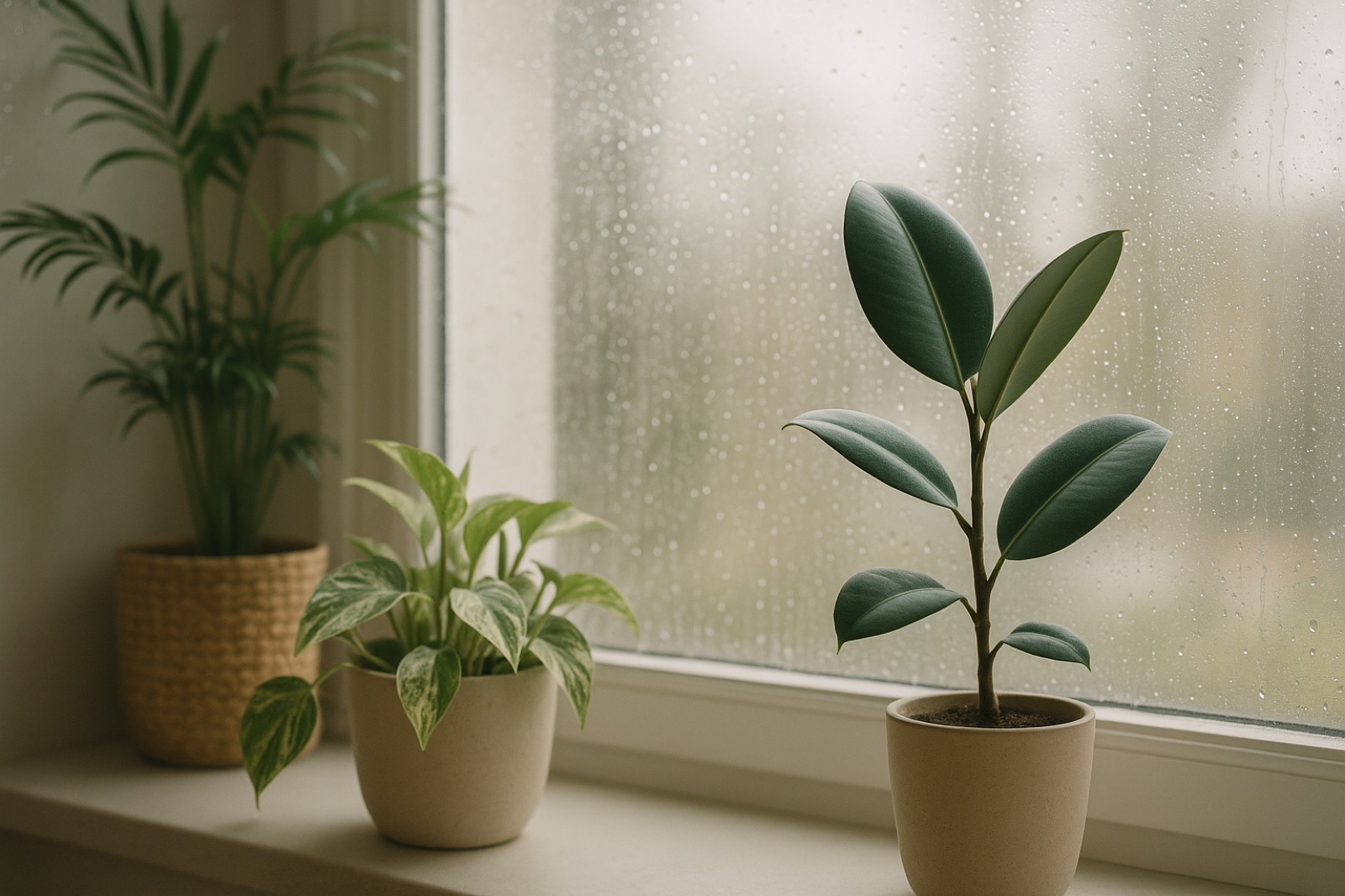
Air quality is another crucial component of home health. Poor indoor air quality can lead to various health issues, including respiratory problems and allergies. Regularly changing air filters in HVAC systems, using exhaust fans while cooking, and ensuring proper ventilation can significantly enhance indoor air quality. Furthermore, incorporating plants into your home can help purify the air, as many houseplants naturally filter pollutants.
Water Safety Considerations
Water quality is essential to family health. Contaminated water can pose serious health risks, making it vital to ensure your home has safe drinking water. Regularly testing your water supply for contaminants and using water filters when necessary can help safeguard your family's health. Staying informed about any local water quality alerts, such as those that arise from environmental issues, is also a prudent practice.
Keeping an eye on recent health issues can provide further context. For instance, current outbreaks of illnesses, such as the ongoing issues with cyclospora in the United States, emphasize the importance of food safety practices. The Centers for Disease Control and Prevention is investigating these outbreaks, underscoring the need for vigilance regarding food preparation and hygiene in the home.
Conclusion: A Holistic Approach to Family Health
Creating a home environment conducive to family health requires a multifaceted approach. From mindful food choices to ensuring clean air and water, every aspect of your home can contribute to overall wellness. By being proactive and intentional about the choices you make, you can foster a healthy, nurturing environment for your family.