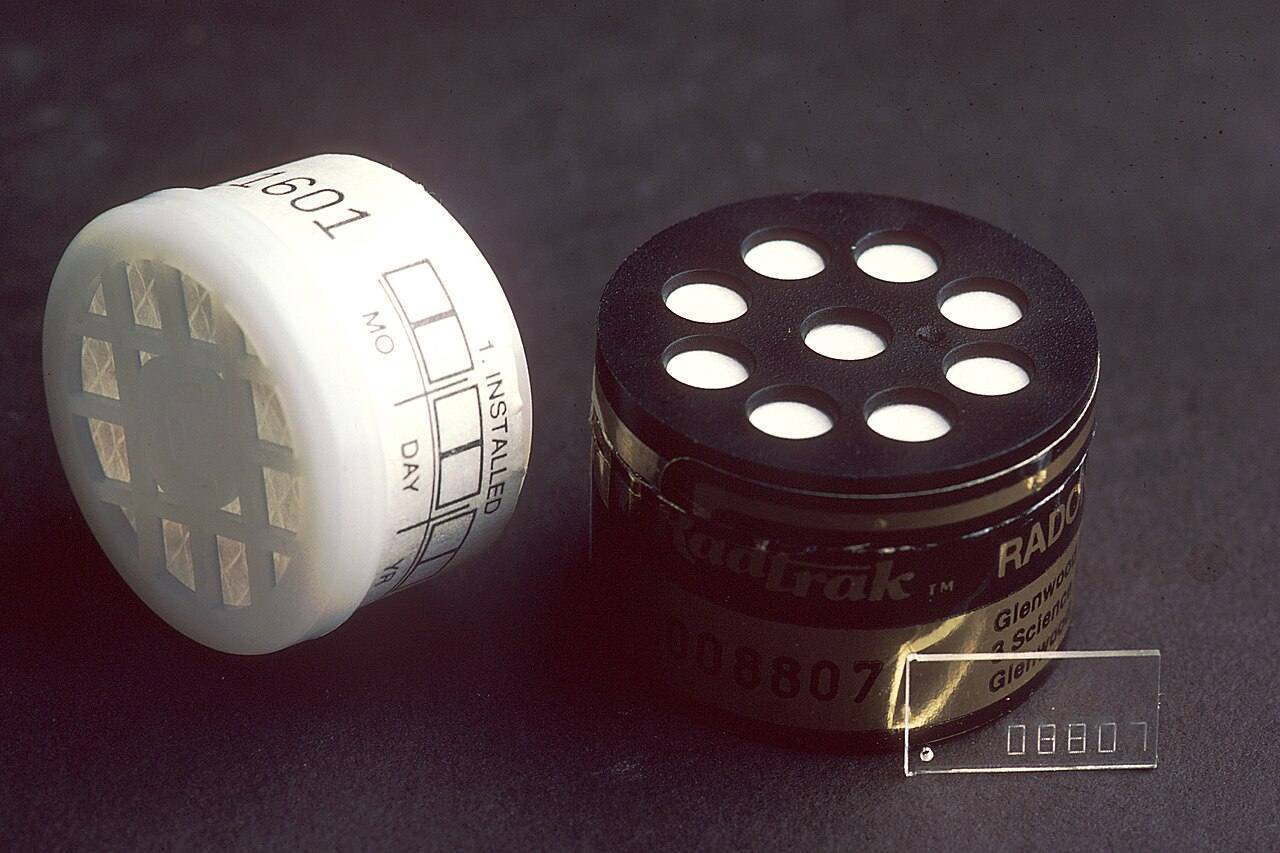
Indoor air quality is a crucial but often overlooked aspect of home wellness. The air we breathe indoors can significantly impact our health and well-being, especially for children, the elderly, and anyone with pre-existing health conditions. Fortunately, there are practical steps you can take to improve the air quality in your home without overwhelming yourself.
Understanding Indoor Air Pollutants
Common indoor air pollutants include dust, mold spores, pet dander, and volatile organic compounds (VOCs) found in paints and cleaning products. Exposure to these pollutants can lead to respiratory issues, allergies, and other health problems. To create a healthier indoor environment, it's essential to understand these pollutants and how to minimize their presence.
Practical Steps to Improve Air Quality
1. **Ventilation**: One of the simplest ways to improve indoor air quality is by increasing ventilation. Open windows when weather permits or use exhaust fans in kitchens and bathrooms to help remove pollutants. You can also consider mechanical ventilation systems to ensure fresh air circulation.
2. **Regular Cleaning**: Frequent cleaning helps reduce dust buildup and the presence of allergens. Use a vacuum cleaner equipped with a HEPA filter to efficiently trap particles. Regularly wash bedding, curtains, and upholstery to keep your home as allergen-free as possible.
3. **Humidity Control**: Maintaining indoor humidity levels between 30% and 50% can prevent mold growth and dust mites. Use dehumidifiers in damp areas, such as basements, and ensure bathrooms are well-ventilated to control moisture.
4. **Air Purifiers**: Investing in air purifiers with HEPA filters can help trap particles and allergens, improving overall air quality. They are particularly beneficial for those with allergies or asthma.
The Connection to Family Health
Good indoor air quality is linked to improved overall health. A recent article from NPR discusses how a back-to-basics approach to health can optimize well-being. One of the critical components of this approach is ensuring a clean and healthy living environment, which includes maintaining good air quality.
Common Misconceptions
Many people believe that indoor air can be significantly cleaner than outdoor air, but this is not always the case. Indoor air can be more polluted due to confined spaces and limited airflow. Understanding this can motivate you to take action to improve your home environment.
Your Family's Wellness Begins at Home
Improving indoor air quality is not just about comfort; it is a vital step in promoting long-term health for your family. Simple changes can make a significant difference in creating a safer and healthier home. The goal is to foster an environment where you and your loved ones can thrive.
For parents, ensuring that children grow up in a healthy environment is a priority. As health policies evolve, such as the call from The Guardian for banning fast food outlets near schools to combat obesity, it highlights the importance of a holistic view of health. Just as external factors impact children’s health, the air they breathe at home does too.