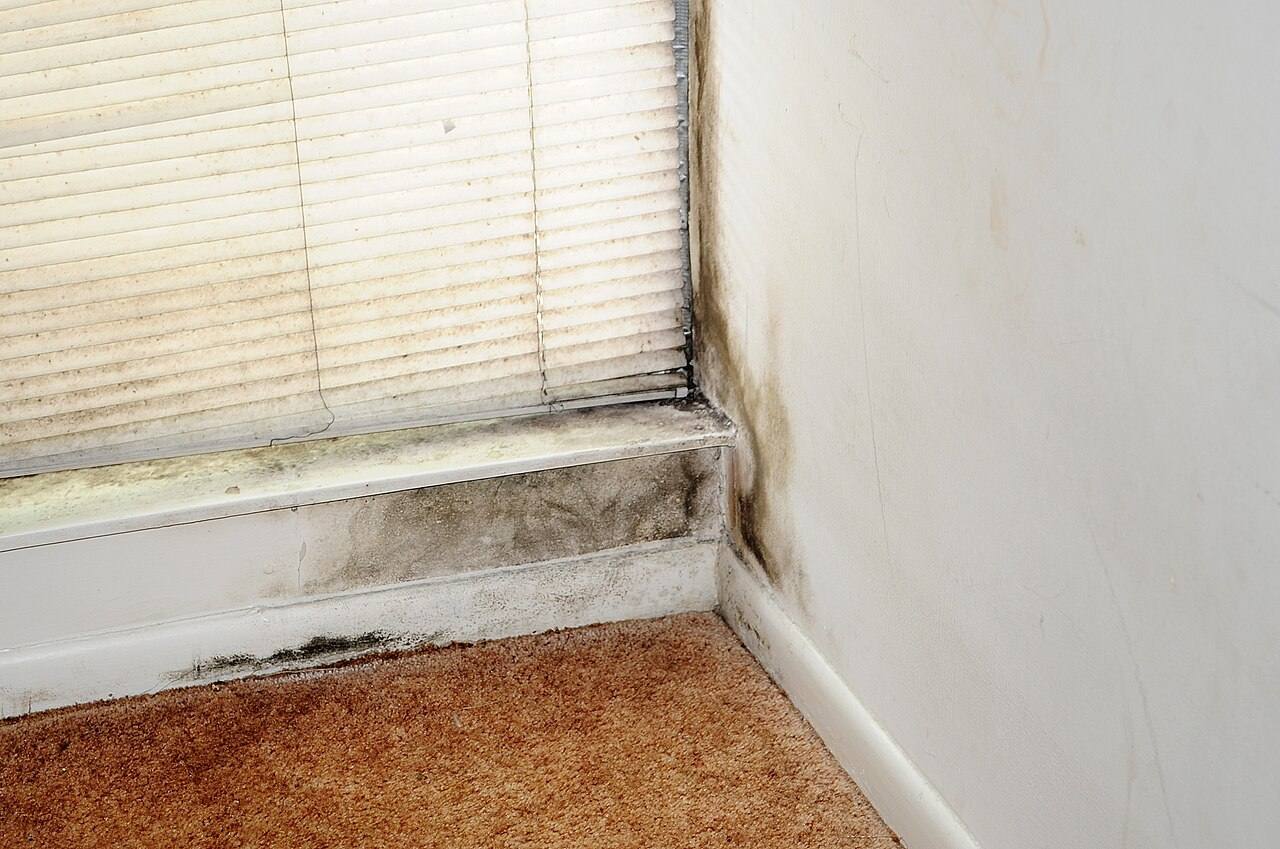
Maintaining a healthy home environment is essential for the well-being of all family members. One significant aspect of this is managing mold and moisture, which can lead to health issues if not addressed properly. Understanding the sources of moisture in your home and implementing practical measures can help reduce mold growth and create a healthier living space.
Understanding Mold and Moisture
Mold is a type of fungus that thrives in damp environments. It can multiply quickly when moisture levels are high, leading to potential health risks. Symptoms of mold exposure can include respiratory issues, allergic reactions, and other complications, particularly for those with pre-existing health conditions.
The primary sources of moisture in homes include leaks from roofs or plumbing, high humidity levels, and poor ventilation. Addressing these issues is crucial to mold prevention.
Practical Steps for Reducing Moisture
1. **Regular Inspections**: Frequently check areas prone to moisture accumulation, such as bathrooms, kitchens, and basements. Look for signs of water damage, leaks, or mold growth.
2. **Maintain Ventilation**: Ensure proper ventilation in areas that generate moisture, like kitchens and bathrooms. Installing exhaust fans can help reduce humidity levels, especially during cooking or showering.
3. **Control Humidity**: Use a dehumidifier in damp areas to keep humidity levels below 60%. This can significantly reduce the risk of mold growth.
4. **Address Leaks Promptly**: Any signs of leaks should be fixed immediately. Not only do leaks contribute to moisture problems, but they can also lead to significant structural damage if left unaddressed.
5. **Proper Insulation**: Insulating your home can help prevent condensation, which is a common source of moisture. Pay special attention to windows and doors, as well as attics and basements.
The Bigger Picture: Public Health Concerns
Issues related to public health extend beyond individual homes. Recent reports illustrate how health conditions can be exacerbated in confined environments, particularly when moisture and mold are present. For instance, a recent article from The Guardian highlights a tuberculosis outbreak at a facility where health conditions have raised concerns. While this specific case pertains to infectious disease, it emphasizes the importance of maintaining a healthy indoor environment to prevent a range of health issues.
Creating a Healthier Home Together
In addition to personal responsibility, community efforts can play a vital role in improving living conditions. For example, local health initiatives aimed at reducing obesity and promoting healthier eating habits can also influence the overall health of a community. As noted in a recent call from MPs to ban fast food outlets near schools, addressing environmental factors is a collective responsibility that can impact public health.
Ultimately, by taking proactive steps to manage mold and moisture in our homes, we can contribute to a healthier environment for ourselves and our families. It is important to stay informed and engaged with both personal and community health initiatives to foster well-being across the board.
By focusing on practical, evidence-based solutions, we can create a healthier home environment and support public health efforts as a collective community.