In our quest for a healthier lifestyle, we often focus on nutrition and exercise, but the quality of our home environment plays a crucial role in our overall well-being. Clean air and water are two foundational elements that can significantly influence our health. Understanding how to improve these aspects can lead to a more comfortable and safe living space for you and your family.
The Importance of Clean Water
Water is essential for life; however, the quality of the water we consume can impact our health in numerous ways. Contaminants such as lead, chlorine, and bacteria can be present in tap water, depending on the source and local infrastructure. Therefore, it is vital to ensure that your water is clean and safe to drink. One practical step is to install a filtration system that meets your household's specific needs. For instance, whole-house systems can address various contaminants, or you might opt for point-of-use filters that treat water at the tap.
In a recent discussion surrounding public health, experts emphasize that access to clean and safe drinking water is a fundamental right. Research has shown that improving water quality can decrease the incidence of digestive issues and long-term health problems associated with contaminated water sources. Investing in water filtration not only enhances the taste of your drinking water but also protects your family from potential health risks. Resources like Jones Water can guide you in selecting the right system for your home.
Enhancing Indoor Air Quality
Just as with water, the air we breathe indoors can be filled with pollutants that may contribute to various health issues. Common indoor air pollutants include volatile organic compounds (VOCs), dust, mold spores, and allergens. Taking steps to improve air quality can lead to a healthier home and reduce the risk of respiratory conditions.
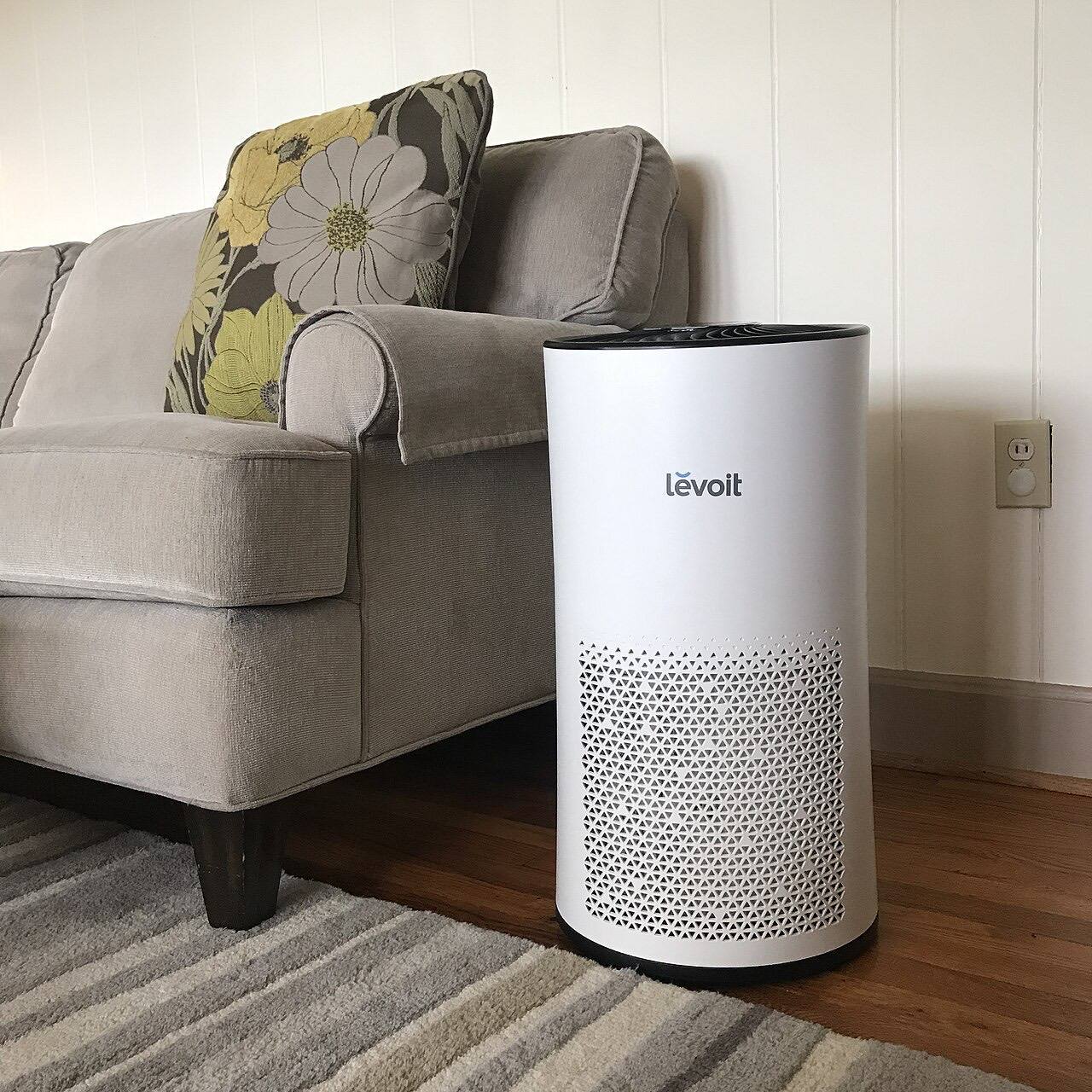
Ventilation is key to maintaining good air quality. It is important to ensure that your home is adequately ventilated to allow fresh air to circulate. Simple measures such as opening windows, using exhaust fans in kitchens and bathrooms, and utilizing air purifiers can significantly improve indoor air quality. Furthermore, keeping indoor humidity levels in check can help prevent mold growth, which can trigger allergy symptoms.
In a recent article from NPR, experts discussed how certain lifestyle changes can bolster health and longevity. One recommendation is to create environments that support well-being, which includes focusing on clean air and water. By ensuring your home is free of pollutants, you can contribute to a healthier lifestyle for you and your loved ones.
Practical Steps to a Healthier Home
Incorporating these practices into your daily routine can lead to a noticeable improvement in your home environment:
- Regularly test your water quality using home testing kits to identify any potential contaminants.
- Consider upgrading your water filtration system based on the results from your water test.
- Keep your home well-ventilated by opening windows and using exhaust fans whenever possible.
- Invest in an air purifier with a HEPA filter to help capture allergens and other pollutants.
- Monitor indoor humidity levels and use dehumidifiers in damp areas to control moisture and prevent mold growth.
Creating a healthier home environment is not about making drastic changes overnight. By taking small, consistent steps towards improving water and air quality, you can foster a living space that supports your family's health and well-being without overwhelming your daily life. Remember, a clean home begins with clean air and water, setting the foundation for a healthier future.