Indoor air quality is a crucial aspect of a healthy home environment, yet it often goes overlooked. The air we breathe inside our homes can sometimes be more polluted than outdoor air, with a variety of pollutants coming from everyday activities and materials. Understanding how to improve indoor air quality can lead to better health and well-being for your family.
Common Indoor Air Pollutants
Indoor air pollutants can include a range of substances such as dust, mold spores, pet dander, and volatile organic compounds (VOCs) released from household products. According to the Commons health committee, there is increasing concern about how environmental factors are tied to public health outcomes.
Steps to Improve Indoor Air Quality
Here are some actionable steps you can take to enhance the quality of the air in your home:
- Ventilation: Ensure your home is well-ventilated. Open windows when weather permits to allow fresh air to circulate. Use exhaust fans in bathrooms and kitchens to remove moisture and odors.
- Air Purifiers: Consider using HEPA air purifiers which can help filter out fine particles, allergens, and other pollutants from indoor air.
- Regular Cleaning: Dust and vacuum your home regularly, using a vacuum equipped with a HEPA filter. This helps reduce dust mites and pet dander.
- Humidity Control: Keep indoor humidity levels between 30% and 50% to prevent mold growth. Using a dehumidifier can be helpful in damp areas of the home.
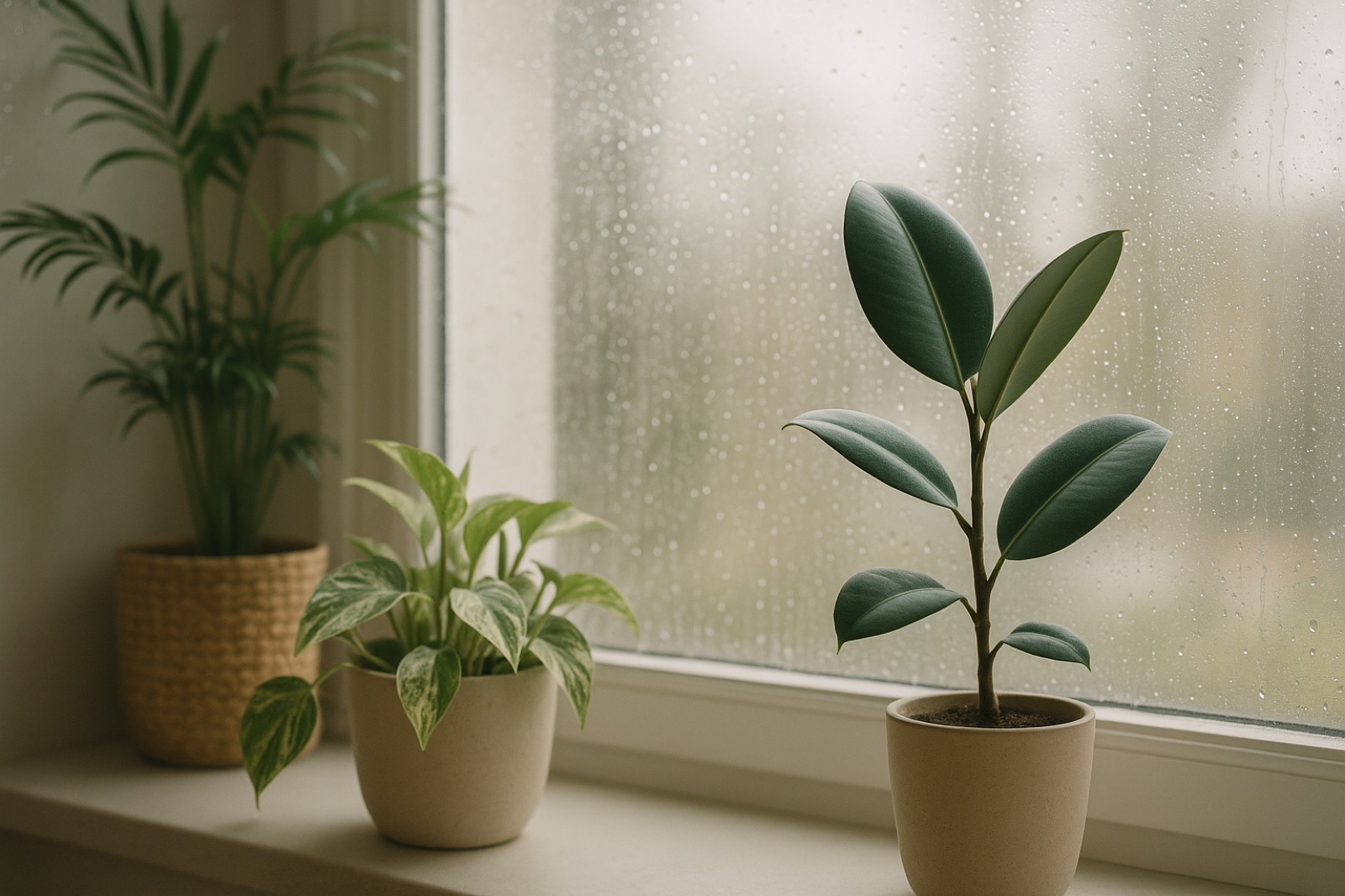
- Houseplants: Certain houseplants can help purify air by absorbing toxins. However, be sure to choose plants that are non-toxic to pets if you have them.
Stay Informed and Adapt
Staying informed about your home's environment is key for maintaining good air quality. With increasing discussions about health policies and environmental regulations, such as the recent calls by MPs to address issues related to obesity and health in urban planning, it's clear that our living spaces play a significant role in our overall wellness. For example, limiting exposure to fast food outlets near schools not only addresses one aspect of health but also reflects how our surroundings impact dietary choices and health outcomes.
Additionally, be mindful of the household products you use. Many cleaning agents and personal care items release VOCs that can compromise air quality. Opting for natural alternatives can minimize these risks. Resources like Jones Water provide insights into improving indoor environments, including air quality considerations.
Conclusion
Improving indoor air quality is a practical step toward enhancing the overall health and well-being of your family. By following these straightforward strategies, you can create a healthier living environment that fosters better air quality and contributes positively to your family’s health.